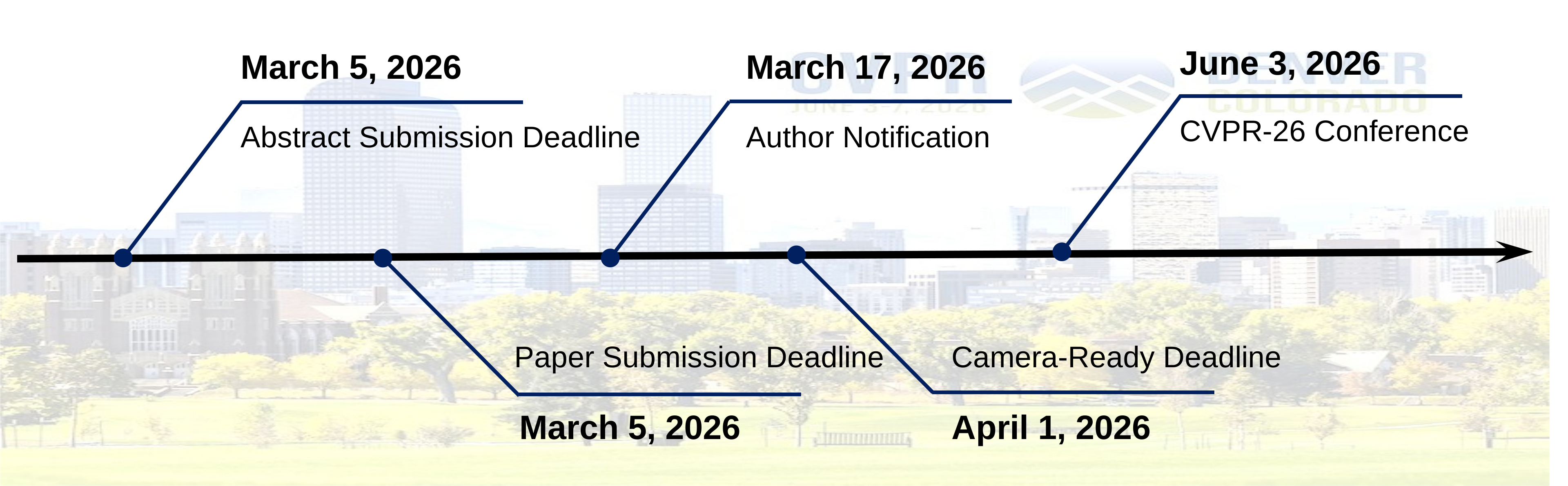
Important Dates
Over the past few years, foundation models have fundamentally transformed the landscape of computer vision, enabling large-scale visual understanding, generation, and multimodal reasoning. Building upon these advances, vision-language agents, embodied or digital systems powered by multimodal foundation models, are rapidly emerging as a central paradigm for intelligent perception, decision-making, and human-AI interaction. These agents integrate perception (vision), cognition (language and reasoning), and action (planning and control) within a unified framework, thereby bridging the gap between visual recognition and autonomous behavior. However, the growing autonomy and complexity of such agents have also amplified their susceptibility to adversarial and safety-critical risks. Beyond traditional pixel-level perturbations, new attack surfaces arise from adversarial prompts, instruction injections, and jailbreak manipulations, which can disrupt reasoning chains, mislead perception, or induce harmful actions. These vulnerabilities highlight fundamental challenges in building safe, robust, and trustworthy vision-language agents for real-world applications, from autonomous driving and embodied robotics to interactive medical or industrial systems. Addressing these challenges demands a deeper understanding of multimodal robustness, causal reasoning, and secure perception-action coupling in complex environments.
The 6th Workshop on Adversarial Machine Learning in Computer Vision (6th AdvML@CV): Safety of Vision-Language Agents aims to bring together researchers and practitioners from computer vision, multimodal learning, and AI safety communities to advance the frontier of robust and trustworthy vision-language agents. Continuing the success of the previous five CVPR AdvML@CV workshops, which have attracted thousands of submissions, participants, and widespread attention, the 2026 edition will feature keynote talks by leading experts, contributed papers, and an international challenge on adversarial robustness for multimodal agents.
Through this workshop, we aim to foster cross-disciplinary collaboration, inspire new research directions, and catalyze the development of secure, reliable, and ethically aligned vision-language agents that can safely operate in dynamic and human-centered environments.
New: Poster Presentation Location: Board #248 - #255 in Exhibit Hall A, 15:00 - 18:00.
| Workshop Schedule (Google Callendar) | |||
| Event | Start time | End time | |
| Opening Remarks | 9:00 | 9:15 | |
| Invited Talk #1: Prof. Bo Li | 9:15 | 9:45 | |
| Invited Talk #2: Prof. Chaowei Xiao | 9:45 | 10:15 | |
| Contributed Talk #1 | 10:15 | 10:30 | |
| Coffee Break | 10:30 | 10:45 | |
| Invited Talk #3: Prof. Aditi Raghunathan | 10:45 | 11:15 | |
| Invited talk #4: Prof. Florian Tramèr | 11:15 | 11:45 | |
| Contributed Talk #2 | 11:45 | 12:00 | |
| Lunch (12:00-13:30) | |||
| Invited Talk #5: Dr. Nouha Dziri | 13:30 | 14:00 | |
| Invited Talk #6: Dr. Jingwei Yi | 14:00 | 14:30 | |
| Invited Talk #7: Prof. Ziwei Liu | 14:30 | 15:00 | |
| Contributed Talk #3 | 15:00 | 15:10 | |
| Challenge Session | 15:10 | 15:40 | |
| Poster Session | 15:00 | 17:00 | |
 |
Ziwei
|
|
Nanyang Technological |
|
Chaowei
|
|
Johns Hopkins University |

|
Nouha
|
|
Cohere Labs |
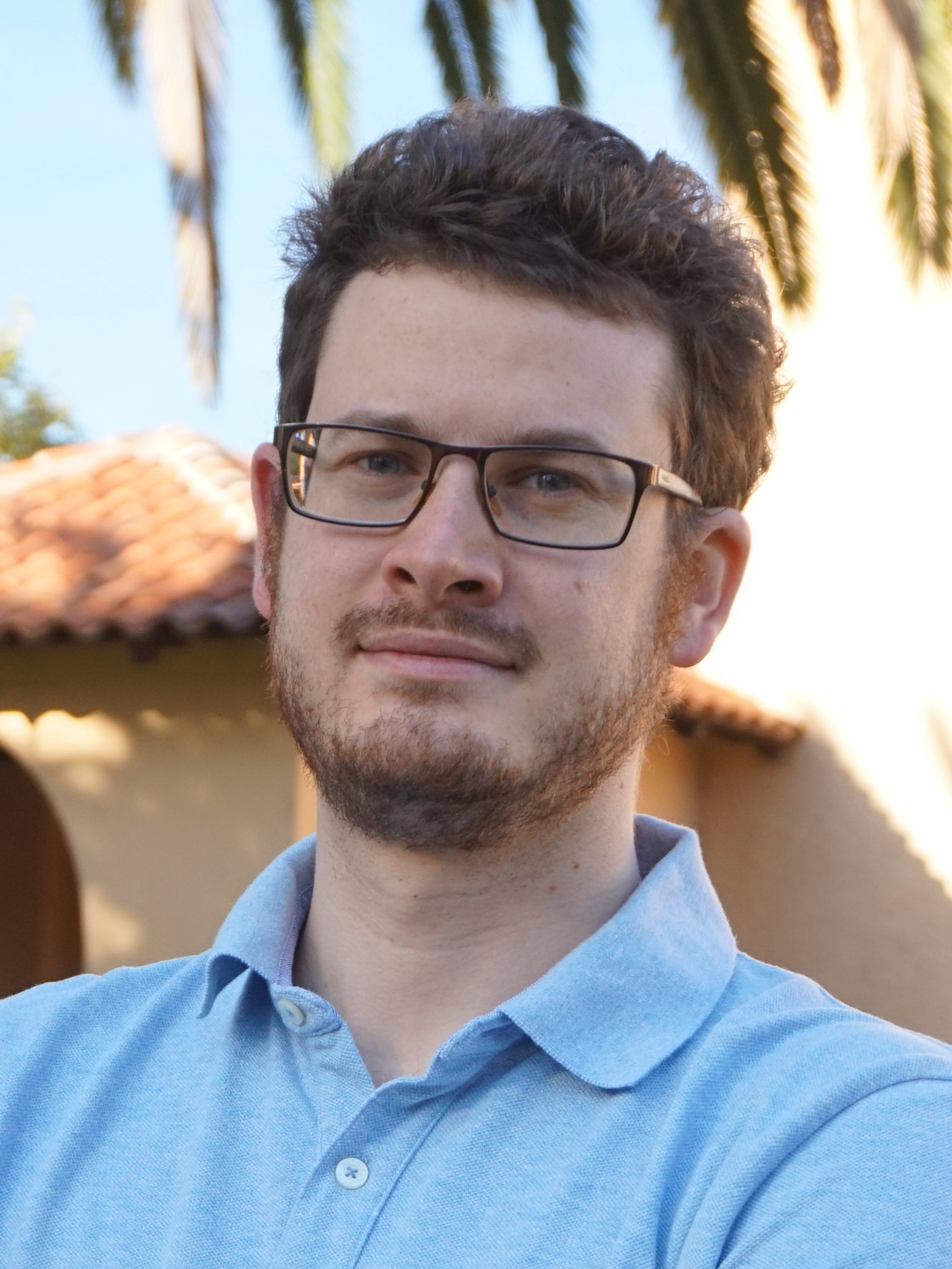
|
Florian
|
|
ETH Zürich |
 |
Jingwei
|
|
BAAI |
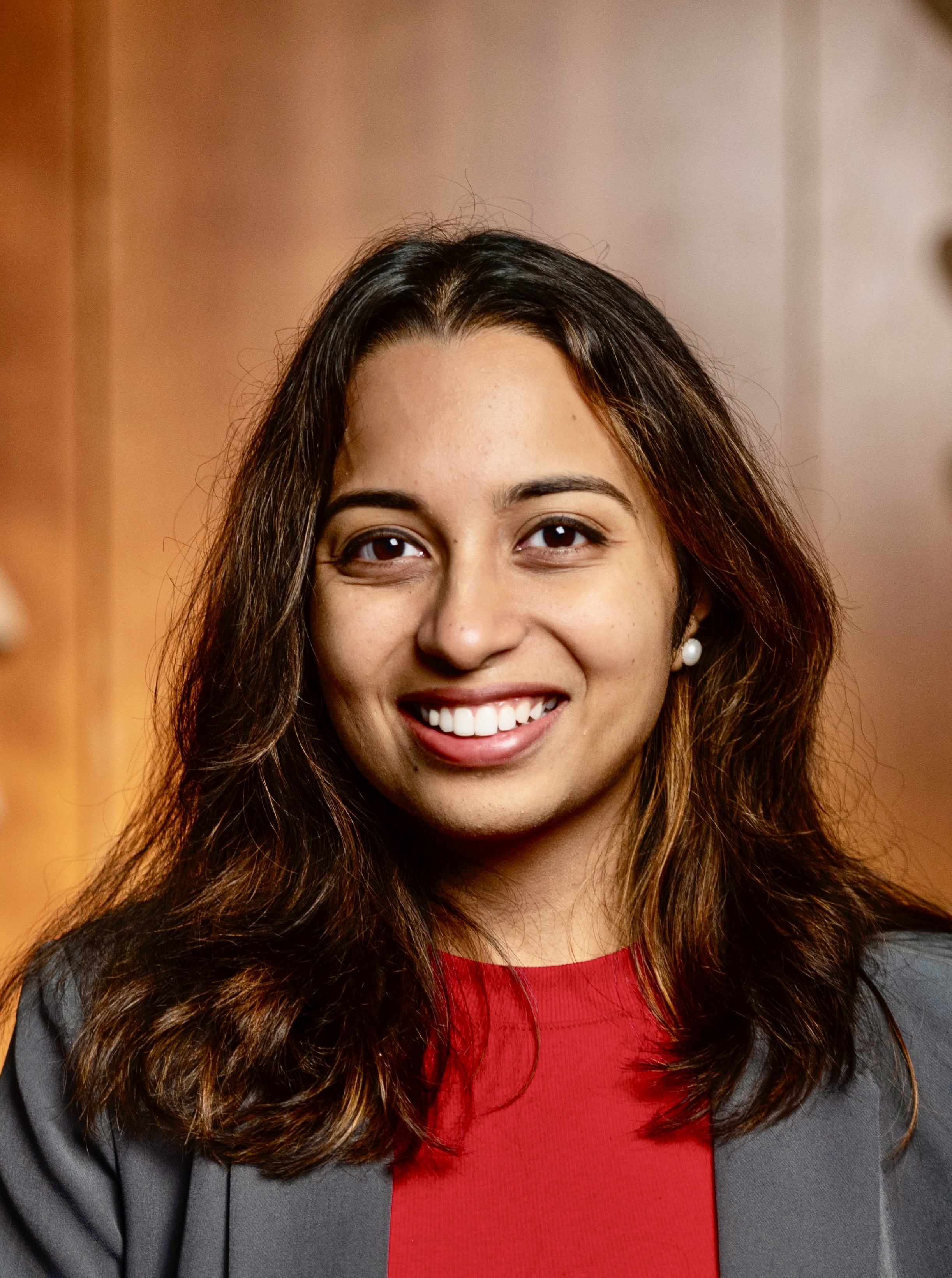 |
Aditi
|
|
Carnegie Mellon University |

|
Bo
|
|
University of Illinois |

|
Aishan
|
|
Beihang University |
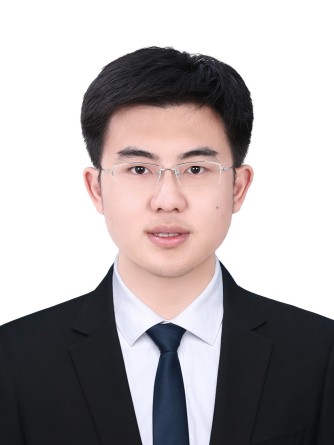
|
Jin
|
|
Zhongguancun |
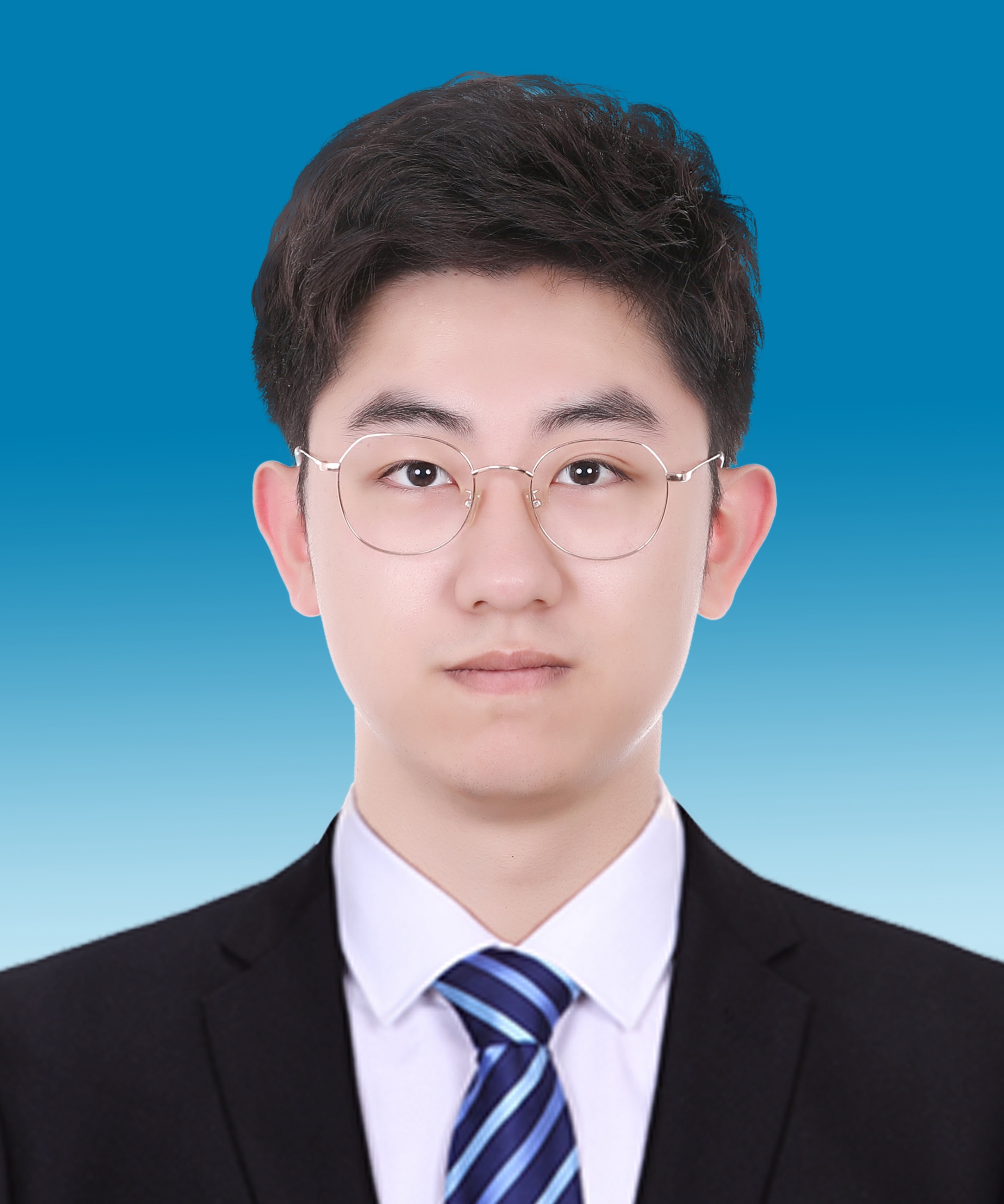
|
Tianyuan
|
|
Beihang |
|
Aishan
|
|
Beihang |
|
Jiakai
|
|
Zhongguancun |
|
Ruikai
|
|
Beihang |

|
Julia
|
|
University of Oxford |
 |
Yinpeng
|
|
Tsinghua |
 |
Zhenfei
|
|
University of Oxford |
 |
Shao
|
|
Shanghai AI Laboratory |
 |
Xia
|
|
Shanghai AI Laboratory |
 |
Jingyi
|
|
Beihang University |
 |
Juntao
|
|
BAAI |

|
Xinyun
|
|
Meta |
|
Xianglong
|
|
Beihang |
|
Vishal M.
|
|
Johns Hopkins University |
 |
Dawn
|
|
UC Berkeley |
 |
Alan
|
|
Johns Hopkins |
 |
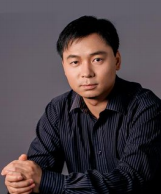
Philip
|
|
Oxford |
|
Dacheng
|
|
Nanyang Technological |
| Title | Paper | Supplementary | Authors |
|---|---|---|---|
|
ARMs: Adaptive Red-Teaming Agent against Multimodal Models with Plug-and-Play Attacks
★ Distinguished paper (Contribute Talk #1)
|
[PDF] | — | Zhaorun Chen, Xun Liu, Mintong Kang, Jiawei Zhang, Minzhou Pan, Shuang Yang, Bo Li |
|
MirrorCheck: Efficient Adversarial Defense for Vision-Language Models
★ Distinguished paper (Contribute Talk #2)
|
[PDF] | [Supplementary] | Samar Fares, Toluwani Aremu, Klea Ziu, Nikita Durasov, Martin Takáč, Pascal Fua, Karthik Nandakumar, Ivan Laptev |
|
SkillJect: Automating Stealthy Skill-Based Prompt Injection for Coding Agents with Trace-Driven Closed-Loop Refinement
★ Distinguished paper (Contribute Talk #3)
|
[PDF] | [Supplementary] | Xiaojun Jia, Jie Liao, Simeng Qin, Jindong Gu, Wenqi Ren, Xiaochun Cao, Yang Liu, Philip Torr |
| SafeGRPO: Self-Rewarded Multimodal Safety Alignment via Rule-Governed Policy Optimization | [PDF] | [Supplementary] | Xuankun Rong, Wenke Huang, Tingfeng Wang, Daiguo Zhou, Bo Du, Mang Ye |
| Robustness of Vision Foundation Models to Common Perturbations | [PDF] | [Supplementary] | Hongbin Liu, Zhengyuan Jiang, Cheng Hong, Neil Zhenqiang Gong |
| SASA: Sequence-Aware Shadow Attacks via Attention Alignment for Traffic Sign Recognition | [PDF] | — | Amir Salarpour, Pedram MohajerAnsari, David Fernandez, Mert D. Pesé |
| Interpretable Adversarial Prompt Tuning via Semantic Concepts | [PDF] | — | Pedram MohajerAnsari, Zongxi Liu, Yi Zhu, Amir Salarpour, Mert D. Pesé |
| Auditing Traffic-Sign Robustness via DDIM Inversion: Do Diffusion Latents Preserve Shadow Attacks? | [PDF] | — | Ashton B. McEntarffer, Amir Salarpour, Pedram MohajerAnsari, Mert D. Pesé |
| Evaluating Vulnerabilities in Vision-Language Models: Impact of Behavior-Induced Interference | [PDF] | — | Yuwei Chen, Shiyong Chu |
| ATAC: Augmentation-Based Test-Time Adversarial Correction for CLIP | [PDF] | [Supplementary] | Linxiang Su, András Balogh |
Timeline (Delayed)
| Challenge Timeline | |
| Mar 19, 2026 | Competition starts |
| Mar 24, 2026 | Phase 1 Data Release |
| Mar 27, 2026 | Phase 1 starts |
| April 20, 2026 | Phase 1 ends |
| April 27, 2026 | Phase 2 Data Release |
| April 27, 2026 | Phase 2 starts |
| May 16, 2026 | Phase 2 ends |
| May 30, 2026 | Results will be released and participants will be selected to present |
| June 2026 | Awards and presentation |
Award List
| Rank | Team | Score |
 |
MR-CAS | 76.63 |
 |
Team_tong | 75.93 |
 |
WZBC_AbeLiuXL | 71.19 |
| 4 | JNU_AdvML | 69.26 |
| 5 | team_hymeng | 60.63 |
| 6 | Diamond_AI | 54.58 |
| 7 | team_YZH_0.0 | 54.23 |
| 8 | suibianwanwan | 52.47 |
Challenge Chair
|
|
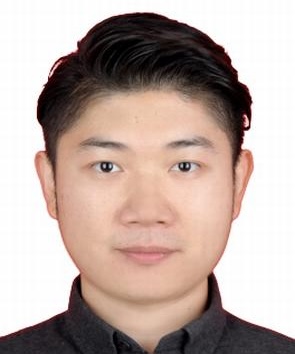
Tianyuan
|
|
Beihang |
|
|
Jin
|
|
Zhongguancun |
 |
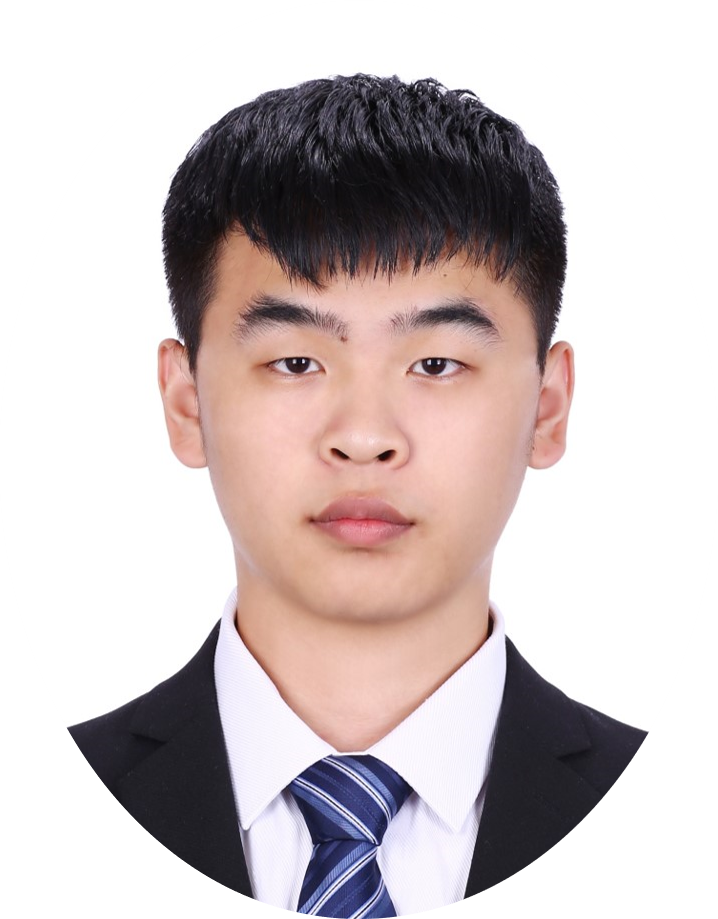
Zonglei
|
|
Beihang |
 |
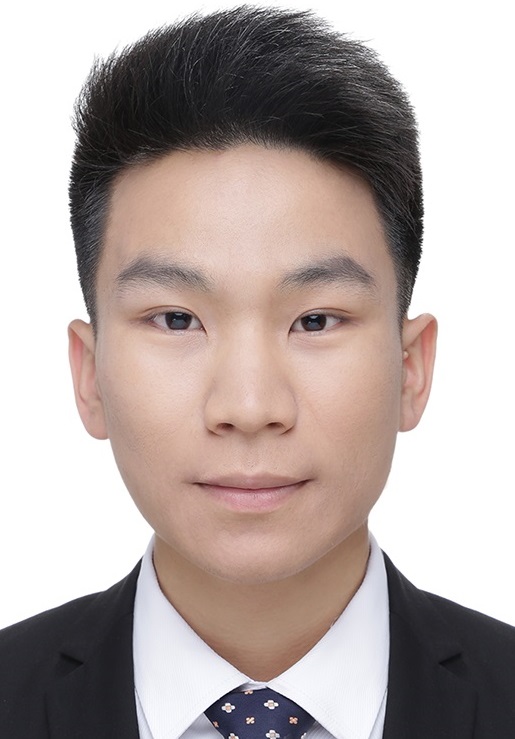
Jiangfan
|
|
Beihang |
 |
Hainan
|
|
Data Space |
 |
Zhilei
|
|
Data Space |
 |
Xianglong
|
|
Data Space |
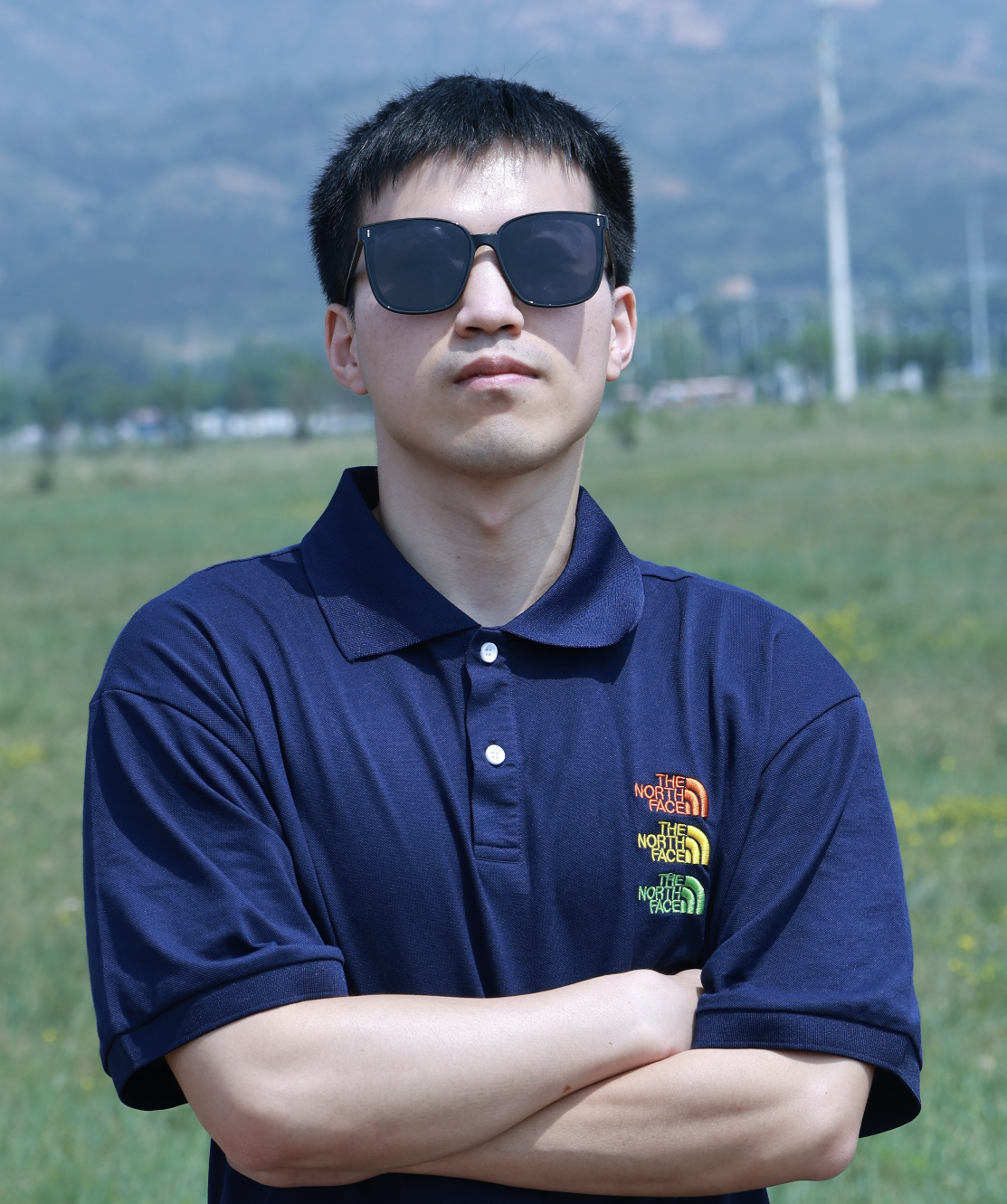 |
Zonghao
|
|
Beihang |
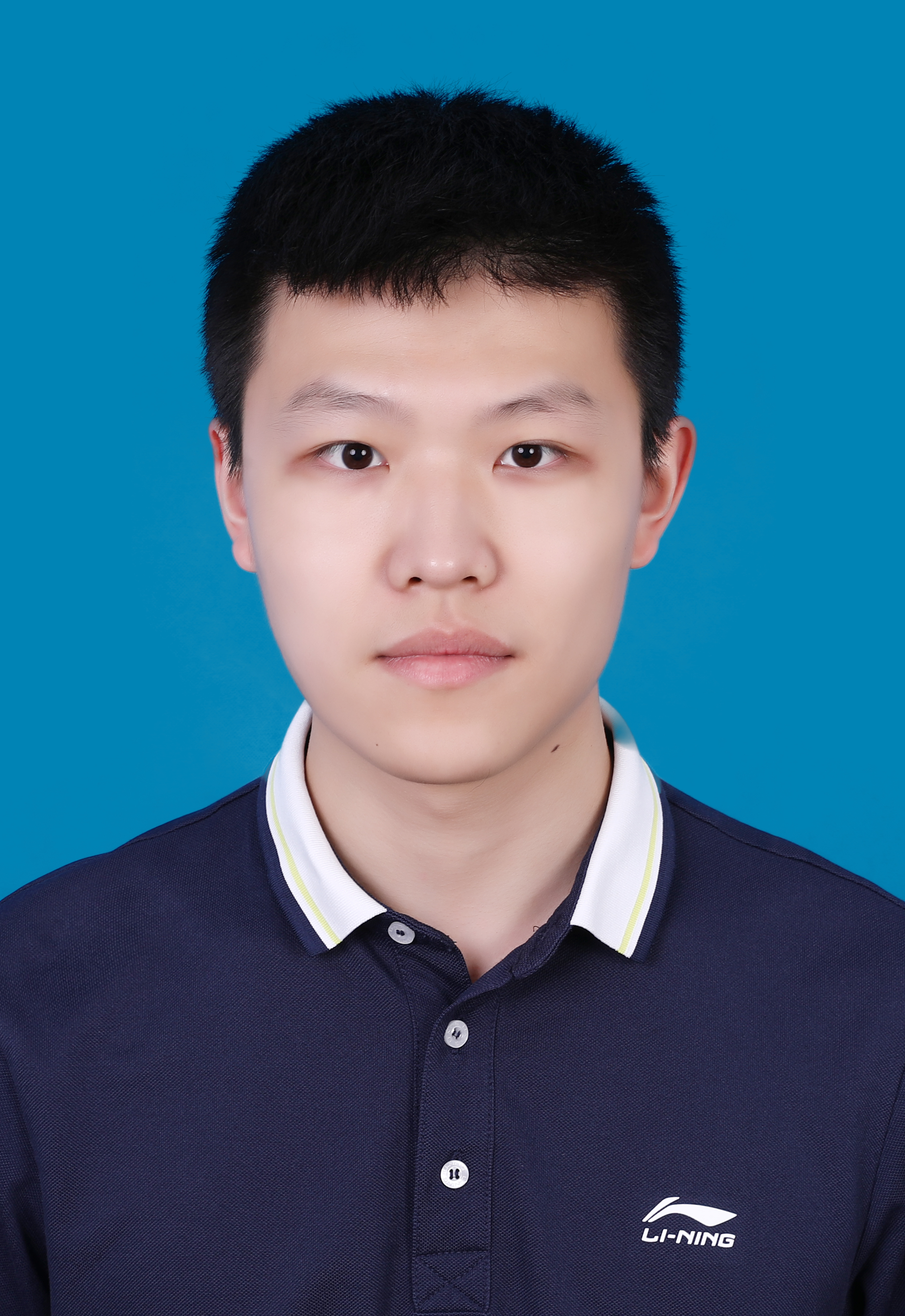
|
Yisong
|
|
Beihang |
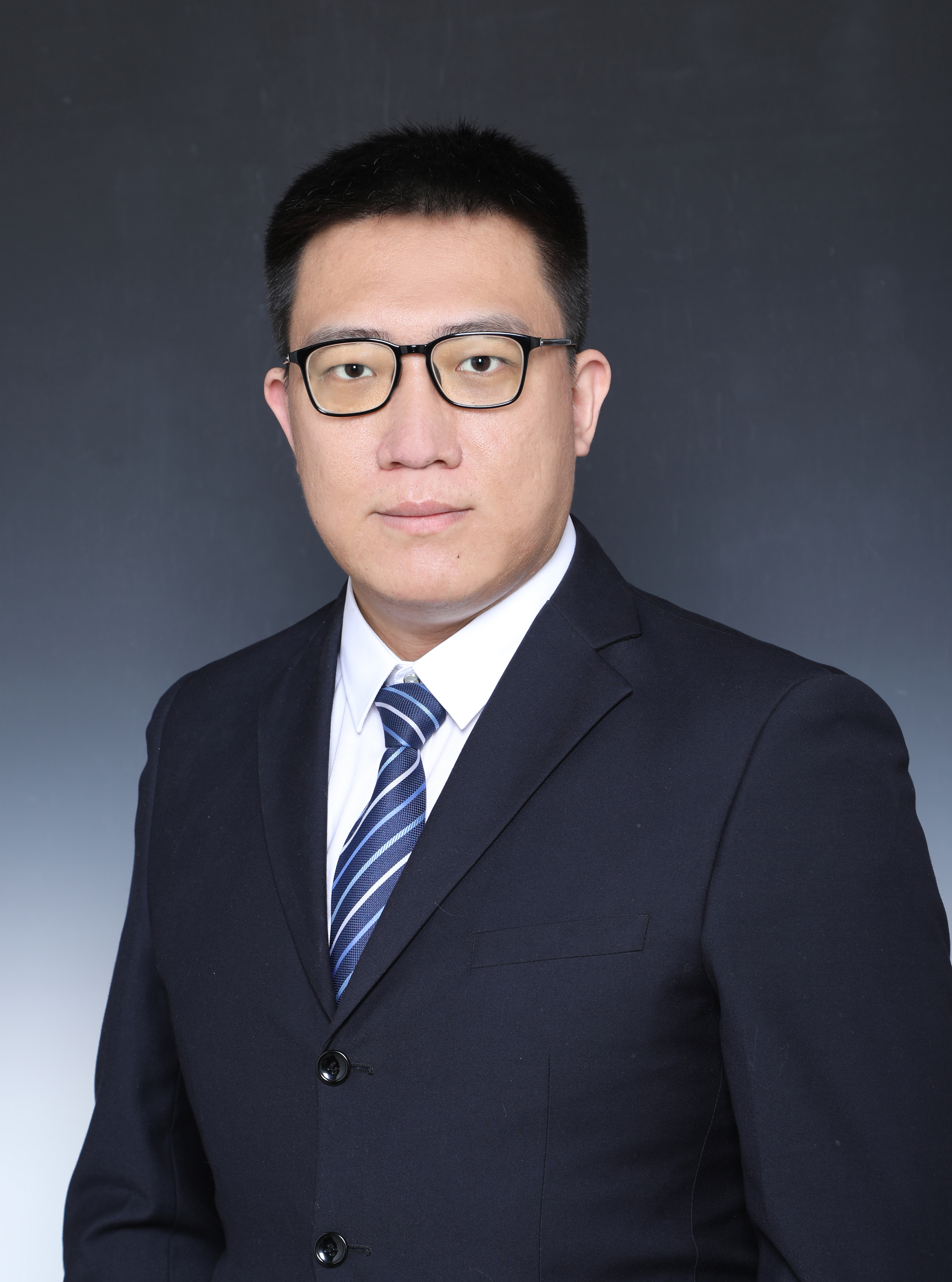 |
Lei
|
|
Tsinghua |
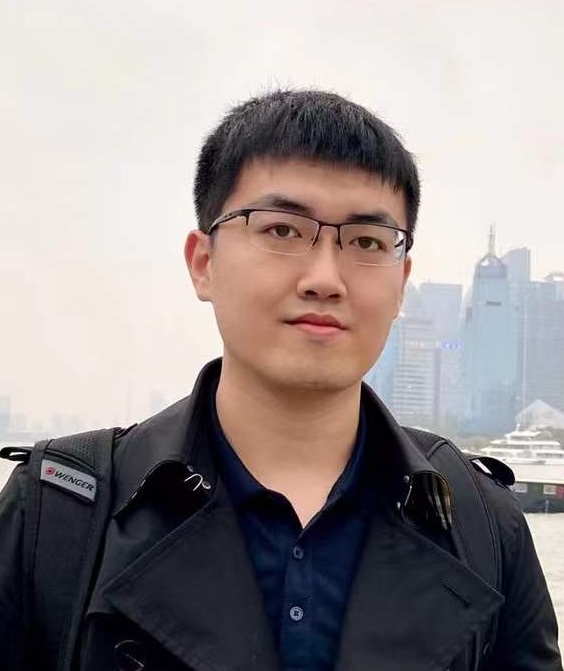 |
Haotong
|
|
ETH |
|
|
Jiakai
|
|
Zhongguancun |
|
|
Xianglong
|
|
Beihang |